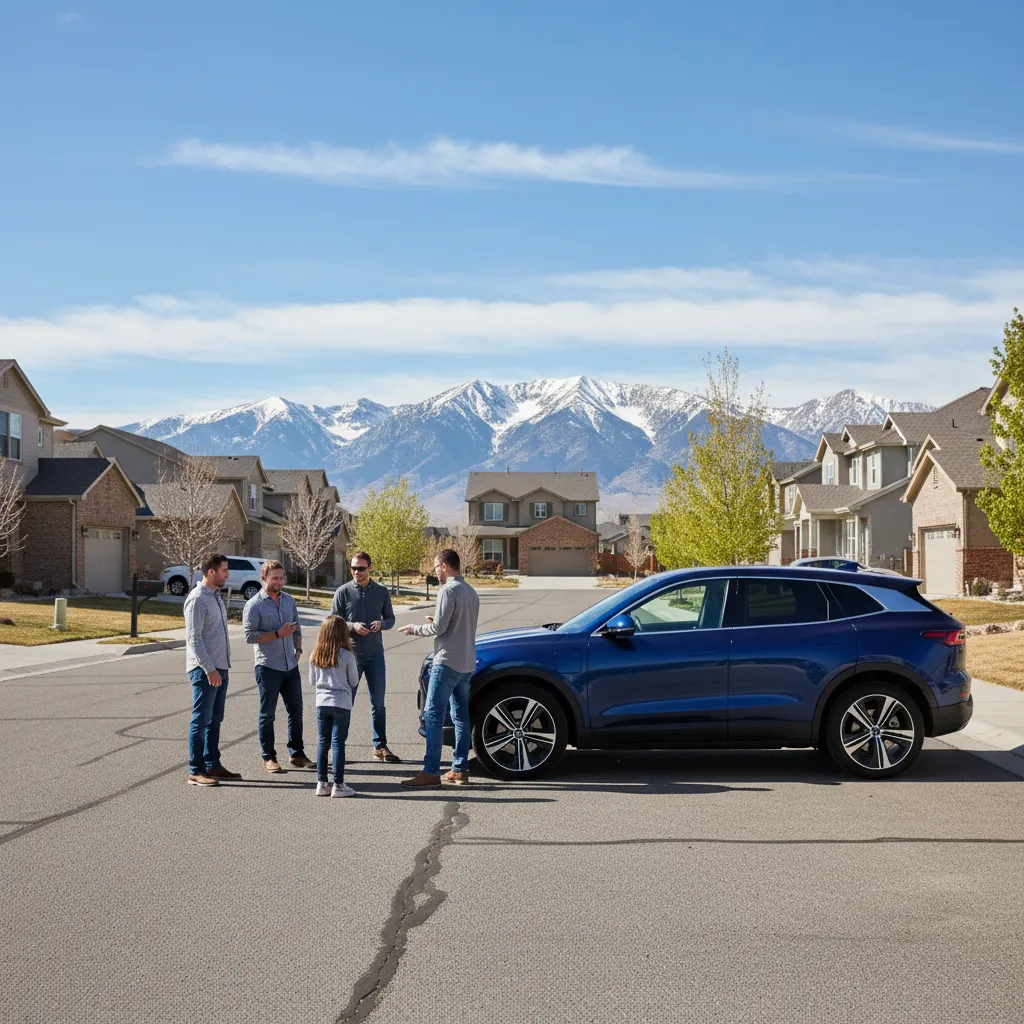
Does Insurance Follow the Driver or the Car?
Does Insurance Follow the Driver or the Car? Understanding How Coverage Really Works
One of the most common questions drivers ask is whether auto insurance follows the car or the person driving it. The answer is more nuanced than many people realize, and misunderstanding the distinction can lead to costly surprises after an accident. Knowing how your coverage applies in different situations can help you make informed decisions about lending your vehicle, borrowing someone else’s, or renting a car.
Insurance Typically Follows the Car
In most situations, auto insurance is tied primarily to the vehicle rather than the driver. This means that if someone borrows your car with your permission, your policy generally serves as the primary coverage if an accident occurs. Your liability, collision, and comprehensive coverages may all apply, depending on the circumstances and what your policy includes.
Many people do not realize that allowing someone to drive their vehicle also means taking on the potential financial risk of an accident. Even if the other driver has their own insurance, your policy may still be the first to respond.
When the Driver’s Insurance May Apply
If you borrow someone else’s car and have an accident, the vehicle owner’s insurance typically responds first. However, your own auto policy could act as secondary coverage, stepping in if the damages exceed the limits of the primary policy.
This secondary coverage may apply to liability, medical payments, or other components of your policy, depending on your insurer and state regulations.
Important Exceptions to Know
Not every policy handles borrowed-vehicle situations the same way. Here are a few key exceptions:
Excluded drivers: If someone is listed as an excluded driver on your policy, they are not covered under any circumstances, even with permission.
Household members: Many insurers require all licensed household residents to be listed on the policy. Failing to do so can create coverage issues.
Business use: Personal auto policies may not apply if a borrowed vehicle is used for business purposes without proper endorsements.
Rental cars: Coverage requirements can vary with rental vehicles, and supplemental rental insurance may be advisable.
Why This Matters
Lending or borrowing a vehicle might seem like a small favor, but the insurance implications can be significant. Knowing whether your policy will respond—and to what extent—can prevent financial headaches and confusion if an accident occurs.
We Can Help You Understand Your Coverage
If you're unsure how your auto insurance applies when someone else drives your car or when you borrow a vehicle, The Insurance Pros can help. Our team will review your policy, explain your limits and exclusions, and make sure you’re not caught off guard in a situation where coverage matters most.
Reach out anytime for a complimentary auto insurance review. The right information today can save you time, stress, and money down the road.

