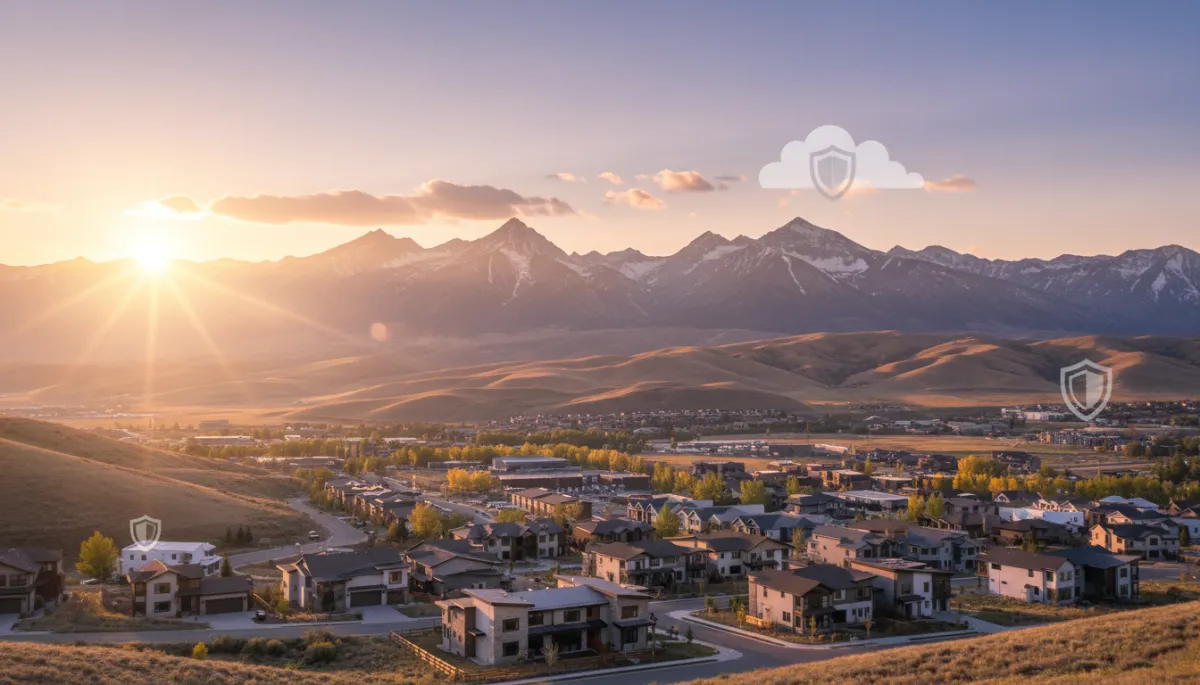
Homeowners Insurance Guide: Heber City, Utah
Homeowners Insurance, Heber City Utah, Consumer Guide
Homeowners Insurance in Heber City, Utah: What to Ask and What to Watch For
Buying a home in Heber City is a big milestone—and making sure it’s properly insured is just as important. This guide walks you through what homeowners insurance typically costs in Heber City, the key questions to ask when shopping for a policy, and the most important pitfalls to avoid along the way.
What Does Homeowners Insurance Cost in Heber City?
Before you start asking for quotes, it helps to know whether the numbers you’re seeing are reasonable for your area. Recent data show that Heber City homeowners typically pay less than the national average, but costs still vary a lot depending on the home and coverage level you choose.
According to MonitorBankRates, the median annual homeowners insurance cost in Heber City is about $1,080 per year, or roughly $90 per month, which is around 20% below the national median of $1,348 per year (MonitorBankRates). Other sources report a range from roughly $713 per year on the low end to nearly $1,900 per year on the high end, depending on coverage and assumptions about the home and risk profile. In practical terms, most Utah homeowners generally fall somewhere between $900 and $1,800 per year for a standard policy.
These wide ranges reflect different coverage levels, home values, deductibles, and even ZIP code differences. Think of the $1,080 per year figure as a useful benchmark, then compare your personal quotes against it while keeping your home’s size, age, and features in mind.
Is Homeowners Insurance Required in Heber City?
Utah law does not require you to carry homeowners insurance. However, if you have a mortgage, your lender almost certainly will. The Utah Insurance Department notes that lenders typically require coverage as a condition of the loan (Utah Insurance Department). If your policy lapses, the lender can buy insurance for you—called force-placed insurance—which is usually more expensive and primarily protects the lender, not you.
If your home is part of a homeowners association (HOA), the association’s master policy typically covers common areas, but you’ll still need your own policy (often an HO‑6 for condos or townhomes) to protect the interior of your unit, your belongings, and your personal liability. Utah’s HOA homeowner guidance specifically encourages owners to understand where the HOA’s coverage stops and their own responsibility begins.
📌 Key Takeaway: The state doesn’t force you to buy homeowners insurance, but your lender and HOA probably will—and going without coverage puts your biggest asset at serious risk.
The Basics: What a Standard Policy Usually Covers
Most Heber City homeowners carry an HO‑3 policy, often called a “special form” policy. While every insurer has its own wording, typical coverage includes:
Dwelling coverage: pays to repair or rebuild the structure of your home if it’s damaged by covered events like fire, wind, or vandalism.
Other structures: covers detached items like a separate garage, shed, or fence, usually as a percentage of the dwelling limit.
Personal property: protects your belongings—furniture, clothing, electronics—inside and sometimes outside the home, up to set limits.
Liability coverage: helps if someone is injured on your property or you accidentally damage someone else’s property and are found legally responsible.
Additional living expenses (ALE): covers extra costs if you have to move out temporarily while your home is being repaired after a covered loss—hotel bills, short‑term rentals, and some food costs.
Just as important as what’s covered is what’s not covered. Standard policies typically exclude floods, earthquakes, routine wear and tear, and damage from neglect. In Utah, that means you may want to think carefully about separate flood or earthquake coverage, depending on your exact location and risk tolerance.
What to Ask When Getting Homeowners Insurance in Heber City
When you’re comparing quotes, it’s easy to focus only on the price. Instead, treat each conversation with an agent or online quote as an interview. You’re hiring a company to protect your home. Here are the most important questions to ask—and why they matter for Heber City homeowners specifically.
1. “Exactly what does this policy cover—and what’s excluded?”
Ask the agent to walk you through the main sections of coverage and then clearly list the exclusions. Request examples in plain language. For Heber City, be sure to ask specifically about:
Wildfire and wind: Are these covered under the standard policy, and are there any special deductibles or limits?
Water damage: What’s the difference between sudden pipe bursts (often covered) and seepage or groundwater (often excluded)?
Earth movement and flooding: Are these excluded, and what separate policies or endorsements are available?
💡 Pro Tip: Ask the agent to email you a one‑page summary of major exclusions in addition to the full policy. It’s easier to digest and compare across companies.
2. “How are my coverage limits chosen?”
Your dwelling limit should be based on the rebuild cost of your home, not its market value. In a desirable area like Heber City, your home’s market price may reflect land value and demand, which aren’t what the insurer pays to rebuild walls and a roof. Ask:
How did you calculate the rebuild cost of my home?
Does this policy include extended or guaranteed replacement cost if construction costs spike after a major disaster?
For personal property, ask whether coverage is a percentage of the dwelling limit (often 50–70%) and whether you can adjust it. If you own high‑end furniture, electronics, or gear for outdoor recreation, you may want higher limits or special coverage for certain items.
3. “Is my personal property covered for replacement cost or actual cash value?”
This is a crucial question. Replacement cost coverage pays what it costs to buy a new item of similar kind and quality today. Actual cash value subtracts depreciation, meaning you might only get a small fraction of what you originally paid. In a total loss, the difference can be thousands of dollars. Ask:
Is replacement cost automatically included on my personal property, or is it an optional upgrade?
If it’s an upgrade, how much extra does it cost per year?
4. “What are my deductible options, and how do they affect my premium?”
The deductible is the amount you pay out of pocket before insurance kicks in. Higher deductibles usually mean lower premiums. In Heber City, where median premiums are already somewhat below the national average, choosing a slightly higher deductible can make coverage even more affordable—but only if you could comfortably pay it after a loss. Ask your agent to show you:
What would my premium be with a $500, $1,000, and $2,500 deductible?
Are there any separate deductibles for wind, hail, or other specific risks?
5. “What discounts can I qualify for in Heber City?”
Insurers often offer a range of discounts that can significantly reduce your premium. When you’re getting quotes, specifically ask about:
Bundling: Savings for combining your home and auto policies with the same company.
Safety features: Discounts for monitored alarm systems, smoke detectors, fire sprinklers, or smart home sensors.
Roof age and materials: Many companies reward newer or impact‑resistant roofs, which can be especially relevant in areas with heavy snow or occasional hail.
Claims‑free history: Lower rates if you haven’t filed claims in recent years.

Asking about discounts and limits can trim costs without sacrificing vital coverage.
6. “How does the claims process work, and how quickly are claims handled?”
You hope you’ll never need to file a claim, but if you do, you’ll care more about service than anything else. Ask:
How do I report a claim—online, by phone, through a local agent, or all of the above?
What’s the typical timeline from filing a claim to receiving payment?
Will I work with a local adjuster familiar with Heber City, or a centralized claims team?
7. “How much liability coverage do you recommend for my situation?”
Liability coverage helps protect your assets if someone is injured on your property or you accidentally cause damage or injury away from home. Many policies start at $100,000, but that’s often not enough. Ask the agent:
Given my home value, income, and savings, what liability limit do you recommend—$300,000, $500,000, or higher?
Does your company offer an umbrella policy for extra liability protection beyond the homeowners policy?
8. “How often can we review and adjust my policy?”
Your coverage shouldn’t be “set it and forget it.” Remodeling projects, finishing a basement, adding a deck, buying expensive gear, or installing solar panels can all change how much coverage you need. Ask:
Do you offer an annual review of my coverage at renewal time?
What’s the process if I upgrade my kitchen, finish the basement, or add a detached garage?
Heber City–Specific Risks to Be Aware Of
Heber City’s location in the Wasatch Back means your home is exposed to a unique mix of risks compared with other parts of Utah. As you shop for homeowners insurance, keep these local factors in mind and ask how each insurer handles them.
Snow Load, Ice Dams, and Winter Weather
Heavy snow and ice can stress roofs, cause leaks, and lead to water damage inside the home. Ask insurers:
Are roof collapses from heavy snow covered, and under what conditions?
How is damage from ice dams handled—especially if the insurer believes they came from poor insulation or maintenance?
Wildfire and Smoke
While Heber City isn’t as fire‑prone as some Western communities, Utah’s dry summers still bring wildfire risk. Ask:
Does my policy cover wildfire and smoke damage with the same limits as other fire losses?
Are there any special conditions, like maintaining defensible space around the home, to keep coverage in force?
Flooding and Groundwater
Standard homeowners policies do not cover flood damage. If your Heber City home is in or near a designated flood zone, your lender may require a separate flood policy, typically through the National Flood Insurance Program (NFIP) or a private insurer. Even outside high‑risk zones, spring runoff or heavy rain can cause localized flooding. Ask:
Is my property in a FEMA‑mapped flood zone, and do you recommend flood insurance?
How does my homeowners policy treat water that seeps into the basement or comes up through drains and sewers?
Earthquakes and Earth Movement
Utah is seismically active, and most standard homeowners policies exclude damage from earthquakes and earth movement. If you’re concerned about this risk, ask:
Do you offer a separate earthquake endorsement or stand‑alone earthquake policy?
What are the deductibles and limits for earthquake coverage compared with my standard policy?
Things to Watch For During the Buying Process
Beyond asking the right questions, you’ll want to be alert for common pitfalls that can leave you underinsured or overpaying. Here are key issues to watch for when you’re getting homeowners insurance in Heber City.
Don’t Choose a Policy on Price Alone
With quotes in Heber City ranging from roughly $700 to nearly $1,900 per year, it’s tempting to grab the cheapest option. But low premiums can come from:
Lower dwelling or personal property limits that may not fully cover a major loss
High deductibles that could be painful to pay after a claim
Fewer endorsements, such as no water backup, equipment breakdown, or service line coverage
📌 Key Takeaway: Compare coverage first, then compare price. Make sure each quote is for similar limits, deductibles, and add‑ons before deciding which is truly the best value.
Watch for Special Limits on Valuables
Even if your personal property limit seems high, most policies have internal limits on certain categories—like jewelry, firearms, collectibles, or business equipment. If you own an engagement ring, fine art, or expensive outdoor gear, ask about:
Category limits (for example, $1,500 total for jewelry theft)
Options to schedule valuable items individually with higher, specific limits and lower deductibles
Understand How Your Home’s Age and Condition Affect Coverage
Older homes in Heber City’s established neighborhoods may have aging roofs, plumbing, or electrical systems. Insurers sometimes:
Require updates (like upgrading knob‑and‑tube wiring) before offering full coverage
Limit coverage on very old roofs or offer only actual cash value for roof damage
Be transparent about your home’s age and any recent upgrades. Ask the agent whether additional inspections or documentation are required and whether making certain improvements could reduce your premium.
Be Honest About Short‑Term Rentals or Home Businesses
If you plan to rent out part or all of your Heber City home on a short‑term basis, or run a business from home, standard homeowners policies may not fully cover related risks. Ask:
How does my policy treat short‑term rentals, and do I need an endorsement or separate policy?
Is my business equipment and liability covered, or should I consider a small business or in‑home business policy?
Check the Insurer’s Financial Strength and Reputation
A low premium from a company that struggles to pay claims is no bargain. Before you commit, look at:
Financial strength ratings from agencies such as AM Best or Standard & Poor’s
Customer satisfaction reviews, particularly from Utah or nearby states
How to Compare Quotes Effectively
To make a smart decision, aim to collect three to five quotes from different insurers. For each one, keep a simple comparison sheet that lists:
Dwelling limit and whether extended replacement cost is included
Personal property limit and whether it’s replacement cost or actual cash value
Liability limit and medical payments coverage
Deductibles (including any special ones for wind or hail)
Key endorsements (water backup, service line, equipment breakdown, earthquake, flood)
Once you’re sure the coverage is comparable, then look at the price. If one quote is dramatically lower or higher than the others, ask the agent to explain why. Sometimes you’ll find that a slightly higher premium buys noticeably better protection or a stronger company behind the policy.
Final Thoughts: Building a Policy That Fits Your Heber City Home
Homeowners insurance in Heber City doesn’t have to be confusing or overwhelming. Start with a realistic sense of typical costs—around $1,080 per year as a local benchmark—and then focus on what matters most: the details of your coverage and how well they match your real‑world risks and budget. Ask clear questions about what’s covered, what’s excluded, how limits are set, and how claims are handled. Pay special attention to local issues like winter weather, wildfire, flooding, and earthquake risk, and don’t be shy about requesting endorsements that better protect your home and belongings.
As you compare quotes, remember that the “best” homeowners insurance policy isn’t just the cheapest—it’s the one that would let you sleep at night if the unexpected happened. With the right questions and a careful eye on the fine print, you can build a policy that fits your Heber City home, your lifestyle, and your long‑term financial goals.

