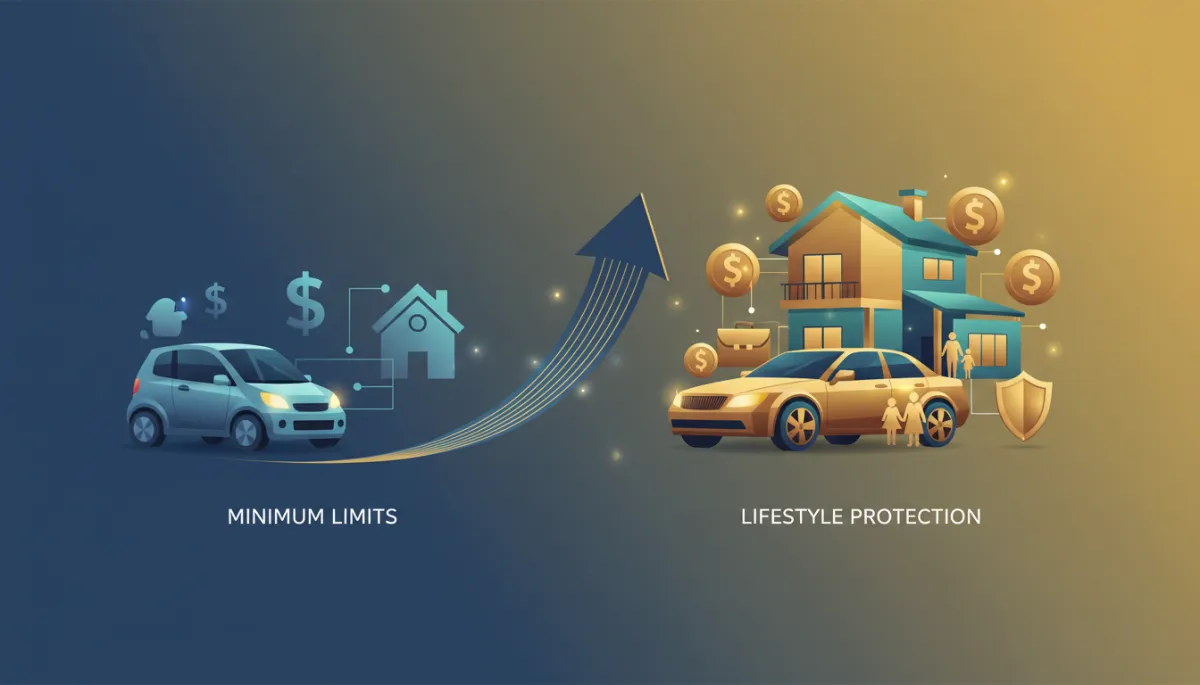
Utah Auto Insurance: Why Minimums Aren't Enough
Auto Insurance, Utah, Coverage Limits
Why Utah’s State Minimum Auto Limits Are No Longer Enough
Utah’s auto insurance laws set a floor, not a safety net. For many drivers, today’s state minimums fall far short of what’s needed to truly protect their finances and lifestyle after a serious accident.
A Quick Look at Utah’s State Minimum Auto Limits
As of 2026, Utah law requires every registered vehicle to carry at least the following auto insurance limits (le.utah.gov):
Bodily Injury (BI) Liability: $30,000 per person / $65,000 per accident
Property Damage (PD) Liability: $25,000 per accident
Personal Injury Protection (PIP): $3,000 per person, regardless of fault
These limits are designed to meet the state’s financial responsibility requirement, not to fully cover the real cost of a serious crash. Optional protections like uninsured/underinsured motorist coverage and higher liability limits are offered but not required (Insurify).
Why the State Minimum Is Often Not Enough for the Average Driver
On paper, $30,000 or $65,000 can sound like a lot of money. In practice, it may barely scratch the surface. Consider how quickly costs can add up after a serious accident:
Medical care is expensive and rising. A single ER visit, imaging, surgery, or extended physical therapy can easily exceed $30,000—especially if more than one person is injured (Forbes Advisor).
Modern vehicles cost more to repair. Advanced safety sensors, cameras, and electronics mean even “minor” collisions can create repair bills well above $25,000, particularly if multiple vehicles are involved or you damage a luxury car.
Property damage goes beyond cars. Guardrails, fences, landscaping, light poles, or a storefront you accidentally hit are all part of that same $25,000 property damage limit.
Once your insurance pays out the state minimum, you are personally responsible for anything above that amount. For many Utah families, that could mean dipping into savings, selling assets, or even facing wage garnishment after a lawsuit.
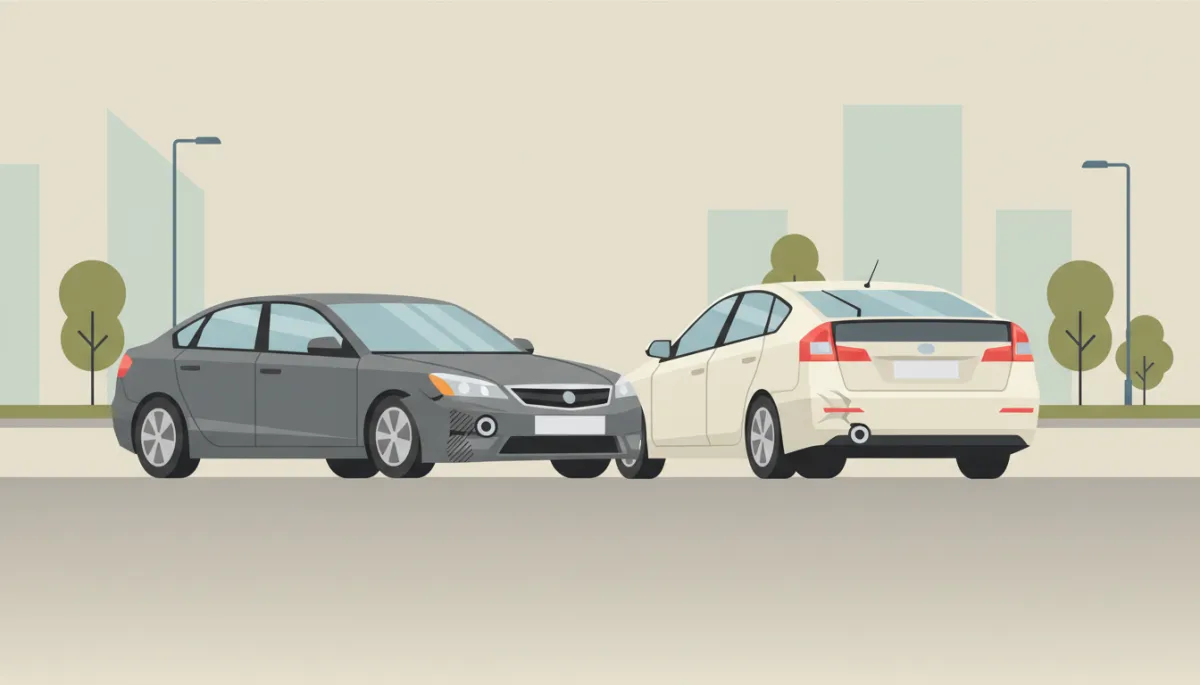
Even low-speed crashes can generate repair bills that exceed state minimum property limits.
The Importance of Increasing Your Auto Insurance Coverage
Increasing your limits is about protecting your future self from financial shock. Many experts recommend liability limits closer to $100,000 per person / $300,000 per accident for bodily injury, and at least $50,000 for property damage—far above Utah’s minimums (DMV.org).
More protection for medical bills. Higher liability and PIP limits help cover hospital stays, rehab, and lost wages without draining your savings.
Better coverage for vehicle repairs. Enhanced property damage limits and physical damage coverage (comprehensive and collision) help ensure your car can be repaired or replaced properly.
Stronger protection from uninsured drivers. Adding uninsured/underinsured motorist coverage can step in when the other driver’s insurance is minimal—or nonexistent.
💡 Pro Tip: Ask your agent for quotes at several levels (for example, 30/65/25 vs. 100/300/50). You may find significantly more protection costs only a few extra dollars per month.
Matching Your Coverage to Your Lifestyle and Assets
The “right” amount of coverage isn’t one-size-fits-all. It should reflect your lifestyle, income, and what you stand to lose in a lawsuit. Consider:
Your commute and driving habits. Long I‑15 commutes, frequent canyon drives, or regular road trips simply create more opportunity for an accident than occasional in-town driving.
Your vehicle and possessions. Newer SUVs, trucks, or electric vehicles cost more to repair or replace. So do the vehicles you might hit in a busy Salt Lake or Park City parking lot.
Your income and savings. The more you’ve built—home equity, retirement accounts, investments—the more you have at risk if someone sues you after a serious crash.
Your family responsibilities. If others rely on your paycheck, higher limits and strong PIP coverage help protect their stability if you’re injured and can’t work.
For many Utah drivers, it makes sense to start with higher liability limits, add uninsured/underinsured motorist coverage, and then decide on comprehensive and collision based on the age and value of the vehicle. In some cases, an umbrella policy on top of your auto limits can provide additional peace of mind.
The Bottom Line: Don’t Let “Minimum” Define Your Protection
Utah’s state minimum auto limits satisfy the law, but they rarely satisfy the needs of a modern household facing rising medical costs, expensive vehicles, and busy roads. By thoughtfully increasing your coverage and aligning it with your lifestyle and assets, you turn your policy from a legal checkbox into real financial protection.
Before your next renewal, take a few minutes to review your limits, ask questions, and make sure your coverage truly matches the life you’re working so hard to build.

